We provide an elaborate programme of documented listening tasks, site-specific interventions, small installations and training of basic skills, like recording, use of softwares and critical listening that all of our interns are asked to take part in.
This is strictly and only for the benefit of our guests to give them the opportunity to concentrate on important details that we normally take for granted or never have the time for to learn or just need feedback while there is no one around. We consider the lab’s internship as a safe space experience were you can focus on the basics and the most important details. It is about you taking actively a time out to gain knowledge outside the box. You want to write an essay on spatial practices? You are as much welcome as with a composition for spatial audio with a half-sphere of loudspeakers. You want to discuss your field recordings, or work on site-specificity in VR or R? In any case, you are most welcome.
Three day visiting programme
In our three day visiting programme you can find our how we are working, assist on what we are currently working on, listen, read, and draft and discuss a project that you follow up with in one of the larger spæs programs.One week project development programme
In our one week project development programme you can discuss, distill, condense, and refine a certain interest together with us. Throughout the course of a week, we support you actively to develop your project, connect you with new ideas, people, concepts, workflows etc. which enable you to learn and produce within the framework of your chosen project.Three week internship programme
Within a period of three weeks you become part of one of our spaes LAB projects, giving you the opportunity to learn while you are working with us actively on artistic or design projects* (e.g. performances and installations), on the library's content and structure, on the development of new research fields, on the planning of events, on contributing to the lab’s social media communications, on writing articles and publications for manifold contexts, or trying out or developing new technologies for production of space.*In cases where you directly contribute to funded or commercial lab projects, we surely will share the project money among the team according to the individual amount of work.
How to apply
Working in one of our facilities, and getting access to people, knowledge, skills and ideas, interns are expected to propose an idea of how they can and want to contribute to the lab’s mission and community, and to articulate this concisely within an informal application. The application should also include relevant information about your personal and professional background, a project plan if applicable, and the intended time frames.Please send your application to:
hello@spaes.org
Please provide any attachments, PDFs, downloads etc. via links, e.g., to dropbox, google drive, or wetransfer.
current & former interns
Miko Szatko

Miko Szatko is a Glasgow-based electronic musician, artist, and DJ, also known as @trssx__ He got his MFA in Sound from the School of the Art Institute of Chicago in 2016 and has worked extensively within the club scenes of New York, Krakow, and Glasgow. In his performances and compositions, he creates environments that defragment language and speech of disembodied sampled, artificial, and cloned voices, critically employing modular processing and various DJ tropes. He performed internationally in the US, the UK, Denmark, Poland, and Germany, and he composed for film and theatre.
www.instagram.com/trssx__/
Gaïa Heichal
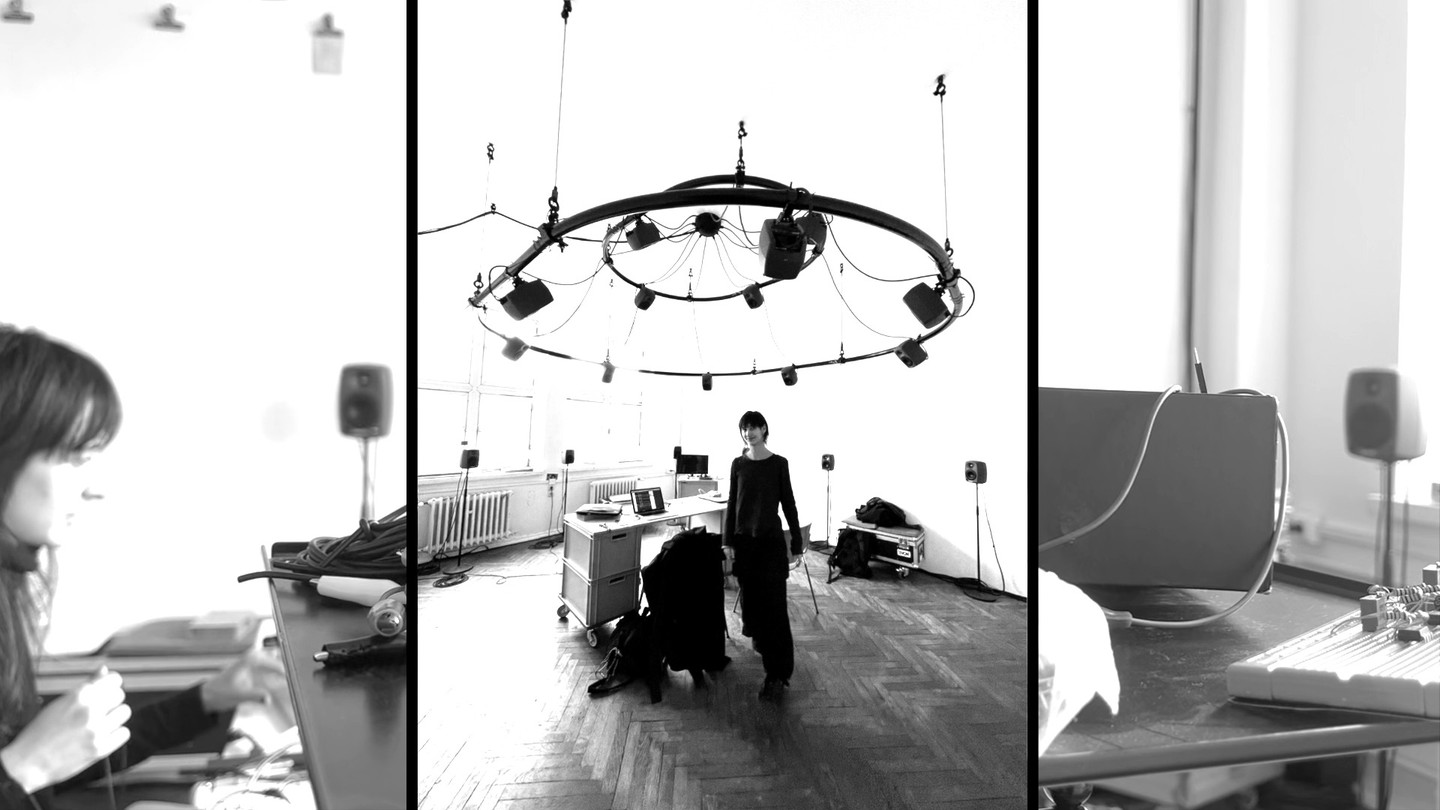
Gaïa Heichal is an NL-based sound artist and an experienced sound engineer. Their focus is mainly on electronic instrument and interface design alongside site-specific sound installations using multichannel sound systems. They perform under the alias ‘birthed’—maximalist ambiance laced with black metal influences and shrouded texts. Unveiling fragility within the confines of the harsher edges of electronic music. At spæs, she was crafting her own interface using conductive rubber bands for both sound production and immediate spatialization. Additionally, she contributed to the production of hybrid compositions, blending acoustic instruments with spatial audio beamforming techniques.
www.instagram.com/birthed__/
Julia Cremers
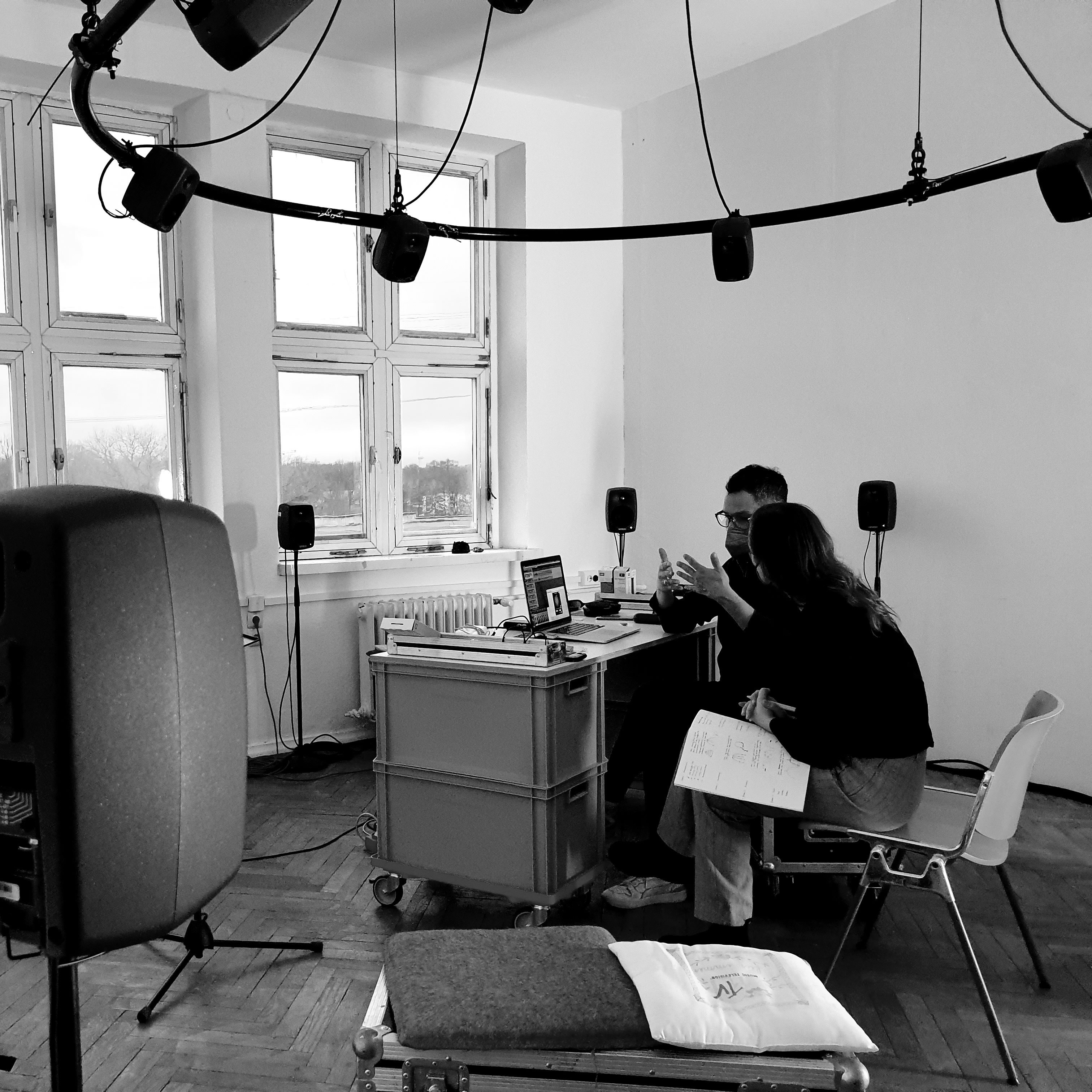
Julia Cremers graduated with a Bachelor of Audio Visual Arts from the Gerriet Rietveld Academie Amsterdam in 2016 and a Master of Fine Art from the University of Bergen under Brandon LaBelle in 2018. Julia is part of the sound collective Errant Sound and co-organizes the art/science collective Parallax Lab. Her works have been exhibited at Alte Feuerwache Köln, KDK Deichtorhallen Hamburg, Bergen Kunsthall, Eye Film Museum Amsterdam, Museum Perron Oost Amsterdam, amongst others.
www.instagram.com/juliacremers
Daniele Fabris
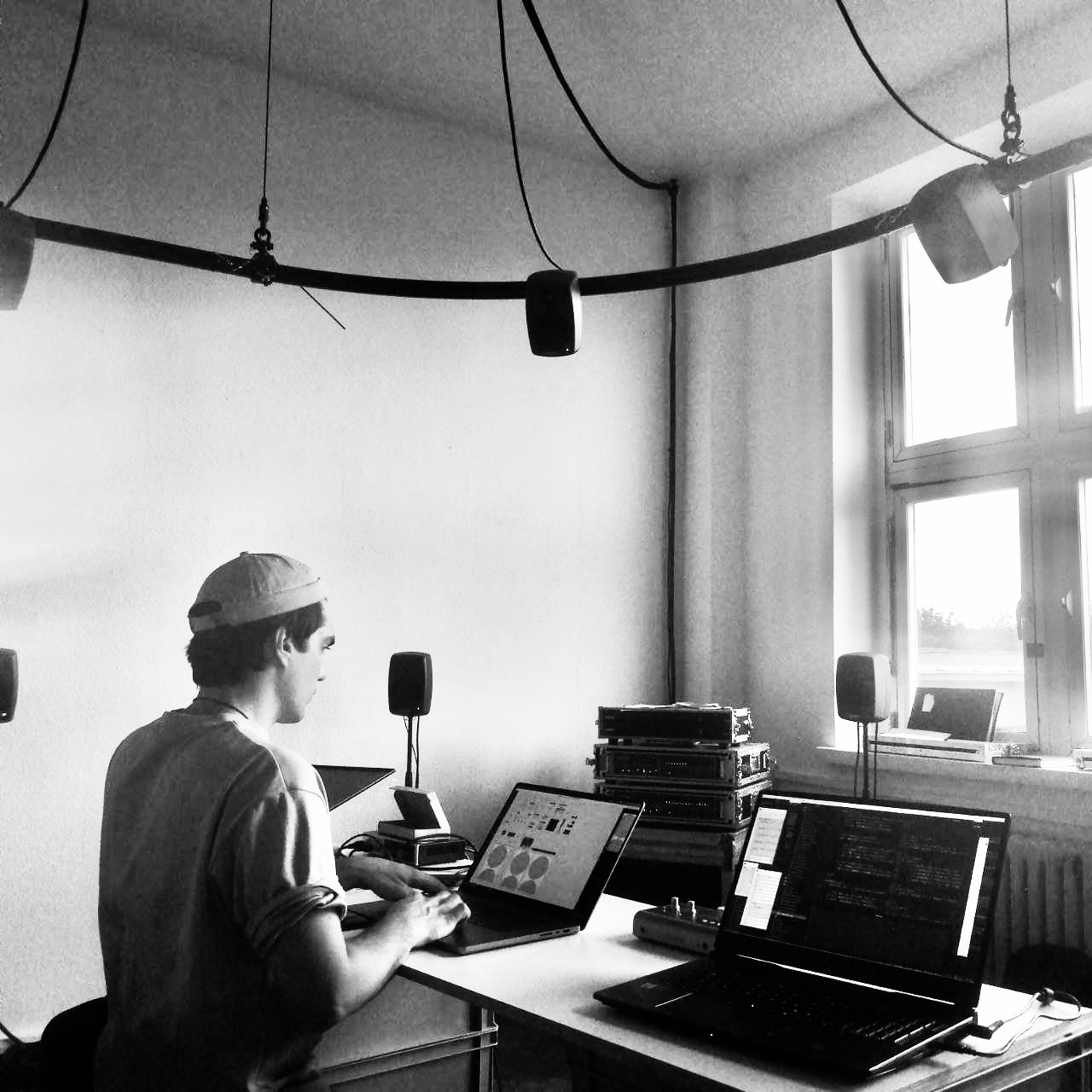
Daniele Fabris is a sonic designer involved with live electronics performances, the coding of digital tools for electronic musicians, designing sound for studio productions. He combines creative and technical expertise to develop immersive audio experiences and to research digital musical interactions. He pursued a BA and MA with the highest distinction in Electroacoustic Music Composition and Multimedia Technologies from the Conservatory “A. Pedrollo” of Vicenza (IT). His formal education includes studies at the Sonology Institute of the Royal Conservatory of The Hague (NL).
https://www.instagram.com/daniele.fabris/
Elif Gülin Soğuksu
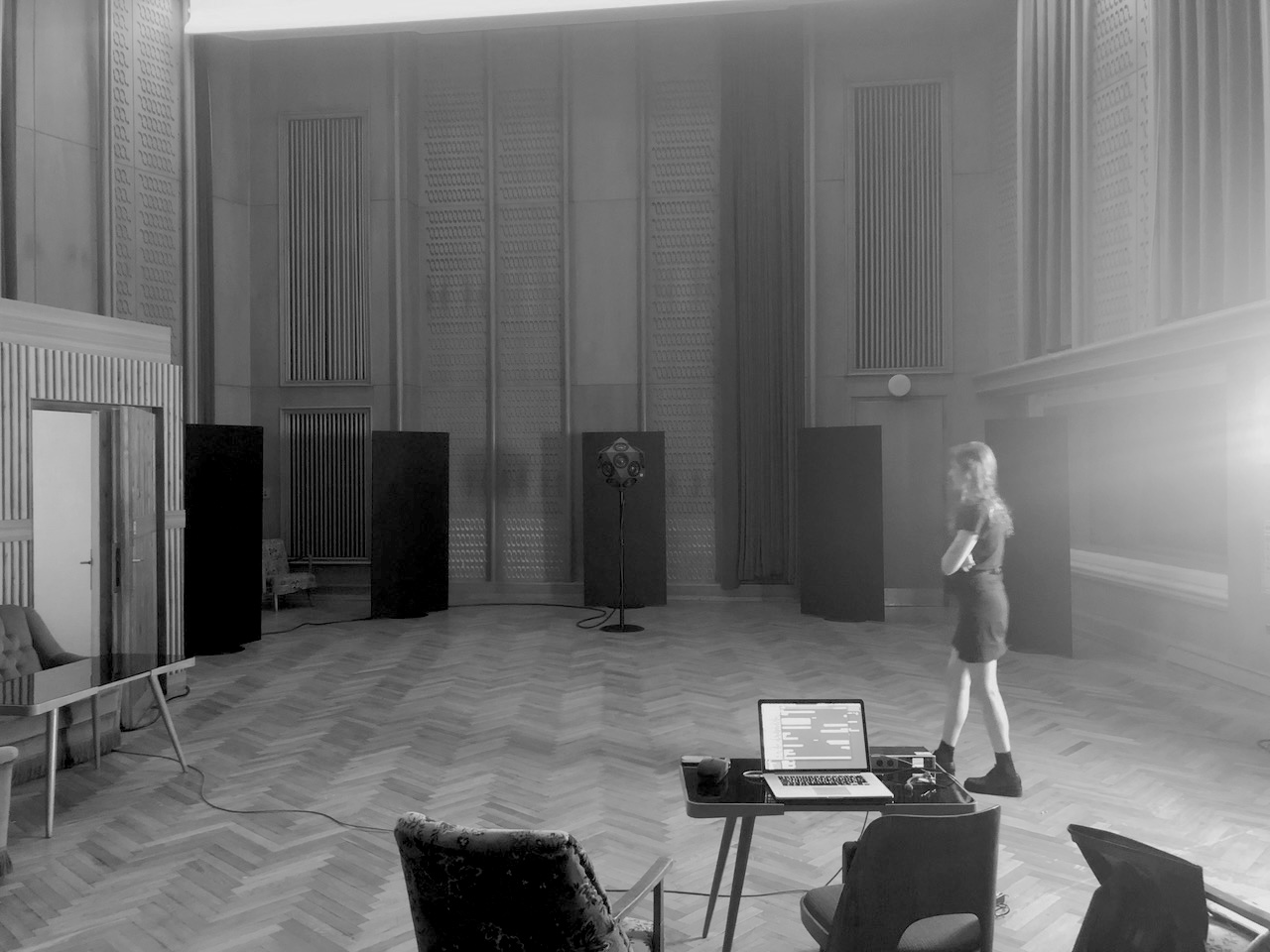
Elif Gülin Soğuksu is a composer, sound artist, and performer based in Istanbul. Having received both merit-based and achievement scholarships, she continued her education at Istanbul Bilgi University Music Department in 2016. She is currently studying composition and audio technology. She is interested in mixing and crossing performance arts, visual arts, digital arts, and new media to set them into relationships with sounds. She is currently working on sound art projects and composing music, doing sound designs for digital and live theatre, films, performances, and installations.
elifsoguksu.wordpress.com
Juan Giacaman
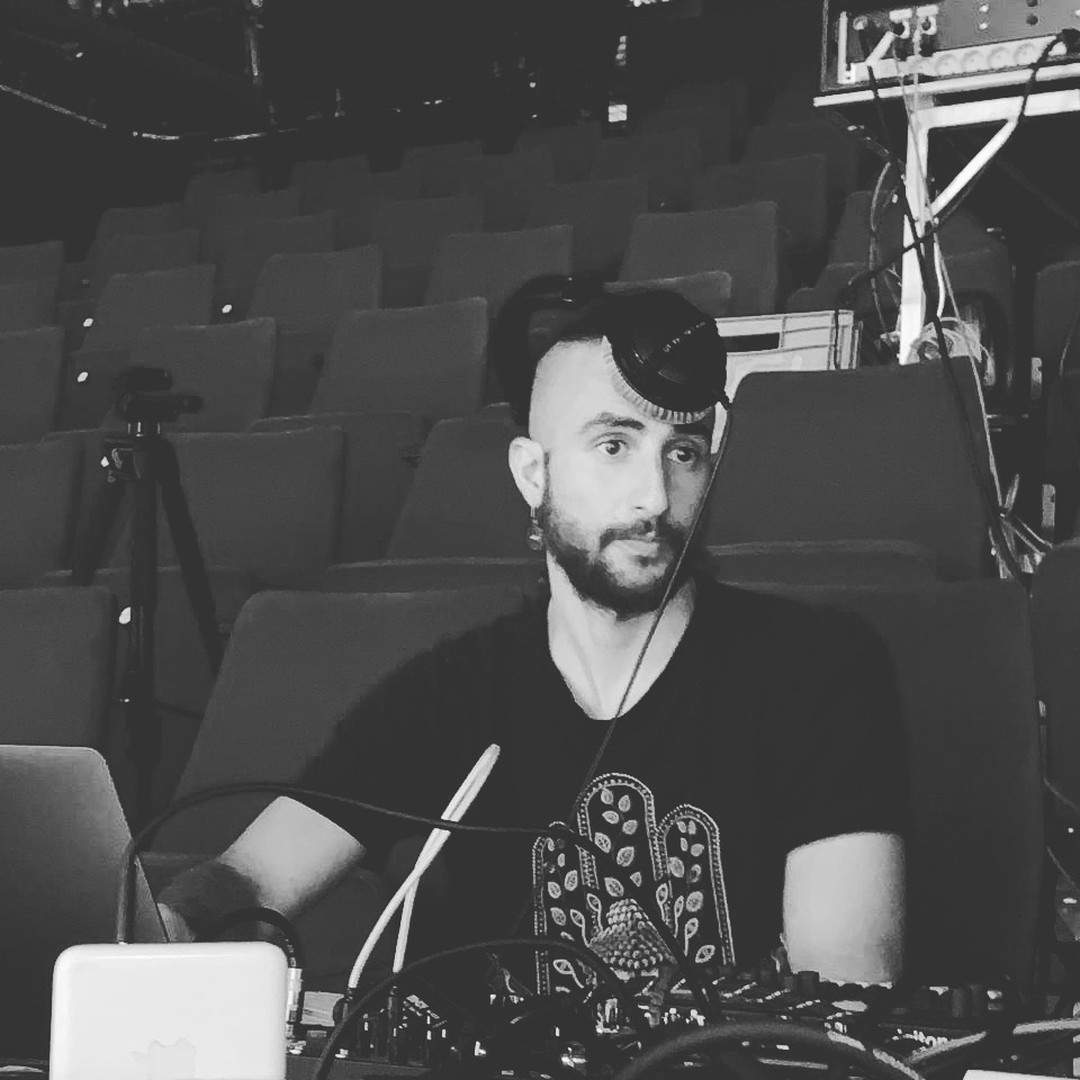
Juan Giacaman, aka Lazaro, is a sound designer, music producer, and live DJ based in Berlin. He works in sound design for art exhibitions, theater pieces, experimental live shows, and live performances at parties. His focus is the attempt to develop questions through scenic means, address them to the audience, and enter into a discourse with the audience on a non-verbal level. The deconstruction of structures and habits is often central. During the mentoring, he learned how to develop a sound language using spatial audio, which was subsequently applied to the play "IM ANFANG WAR DER ZAUN" at the theatre Schauspielköln.
www.instagram.com/lazaro.o0/
Hugo Lioret
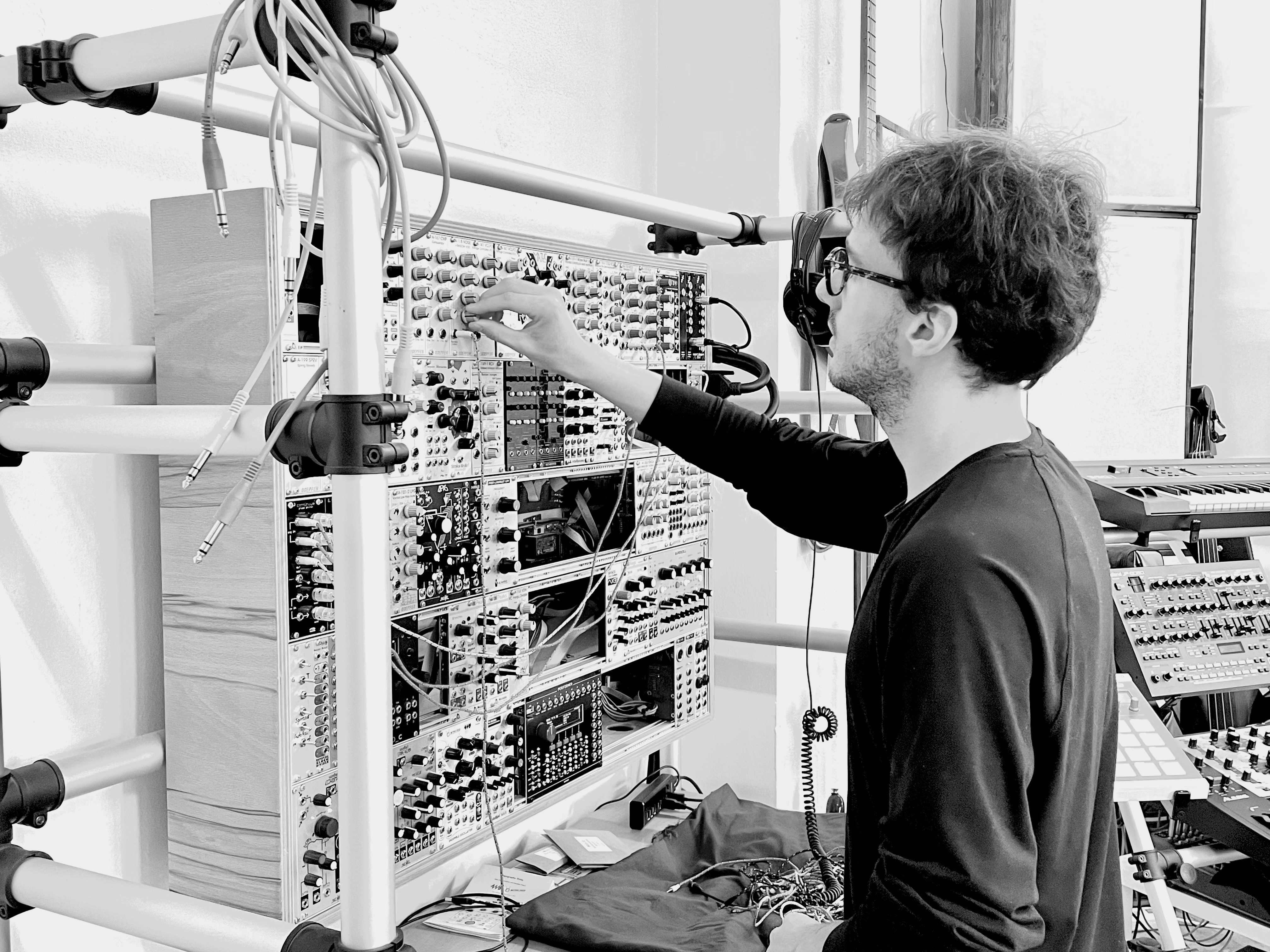
Hugo Lioret is a sound artist, PhD researcher, and music mediator based in Paris, FR. His work includes electroacoustic composition, free improvisation, audiovisual performance, music for fixed media, sound in situ, sound design through digital processes, field recording, and modular approaches. Hugo studied sound practices with Mathias Delplanque and Hervé Bouley at Radio France in Paris, and at the Institute of Sonology in The Hague. He has a BA in music mediation and an MA in musicology. Hugo has worked at INA GRM in pedagogy and at GMEM CNCM as head of the broadcasting department. Currently, he is responsible for public relations at the contemporary music ensemble 2E2M. Hugo is pursuing a doctoral research project on organicity through music sociology, musicology, and composition at Sorbonne University, under the supervision of Hyacinthe Ravet and Pierre Couprie, with the artistic assistance of Laetitia Sonami. Curtis Roads is supporting this project. Hugo was in the process of finalizing his latest album. Concurrently, he was integrating analog synthesizer devices with spatialization techniques and conducting research on methods for recording and archiving such compositions.
https://hugolioret.com/
Giulia Francavilla
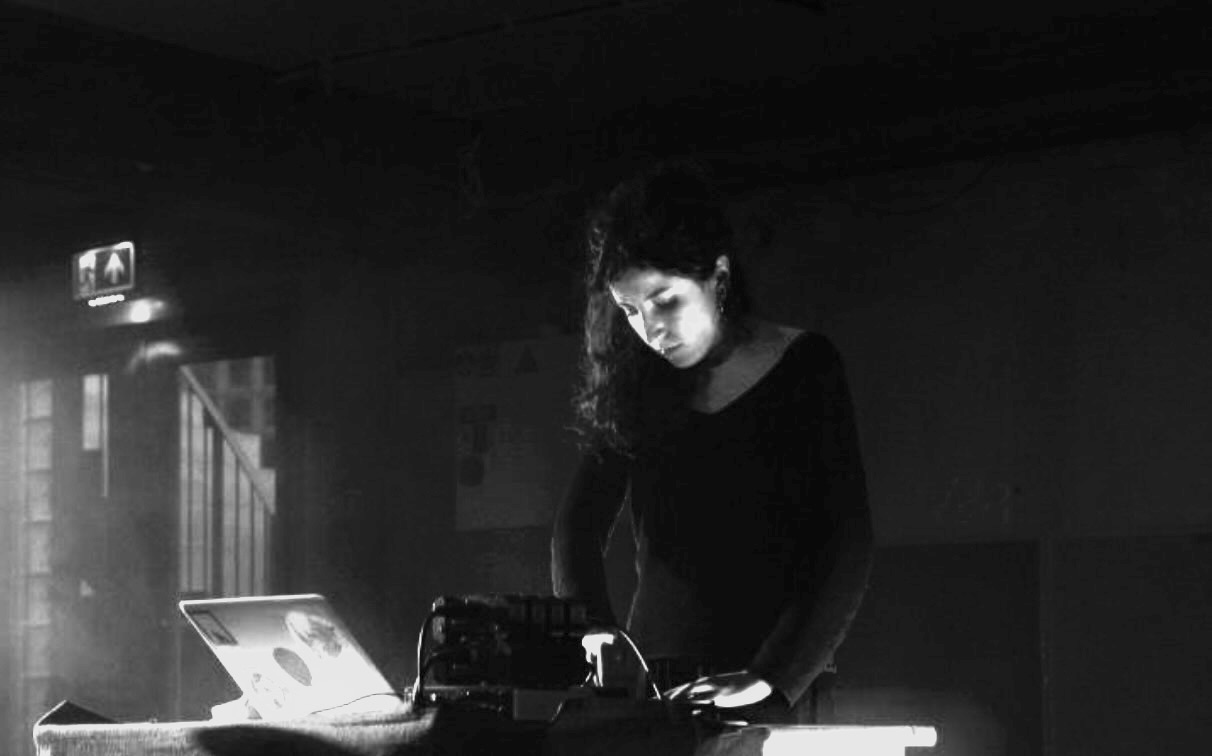
Giulia Francavilla (Giulia Rae) is an Italian composer, researcher, and performer based in Turin. With a musical background in noise rock and punk, she graduated in 2018 with a Bachelor's degree in Electroacoustic Composition from the State Conservatory of Music "Giuseppe Verdi" in Turin. In 2021, she completed her Master's degree at the Institute of Sonology in The Hague, where she is currently a research assistant. Francavilla's artistic research is based on immersive sound, listening, and perception and is mainly influenced by the theoretical discourse on embodiment, human-machine interaction, and acoustic ecology. Her main creative tool is coding. Her works are gravitating towards the categories of algorithmic music, VR, and spatial sound. In 2022, Francavilla worked as an artist in residence at the Studio for 3D Sound at the University of Paris VIII and the iMAL Art Center for Digital Cultures & Technology in Brussels with the Kinetic Sound System. Under the pseudonym Giulia Rae, she explores the overlap between algorithmic music and club-oriented electronic music, performing throughout Europe. She has released her music on Søvn Records, Light Item, and Ovaal. Giulia Francavilla also works as a composer and sound designer for multidisciplinary projects. While at spæs lab, she was putting the finishing touches on a spatial audio piece designed for a loudspeaker-hemisphere setup. Additionally, she was involved in finalizing the lab's archive of multichannel compositions spanning the past 60 years, as well as curating a highly acclaimed listening session.
www.giuliarae.com/
Francesco Corvi
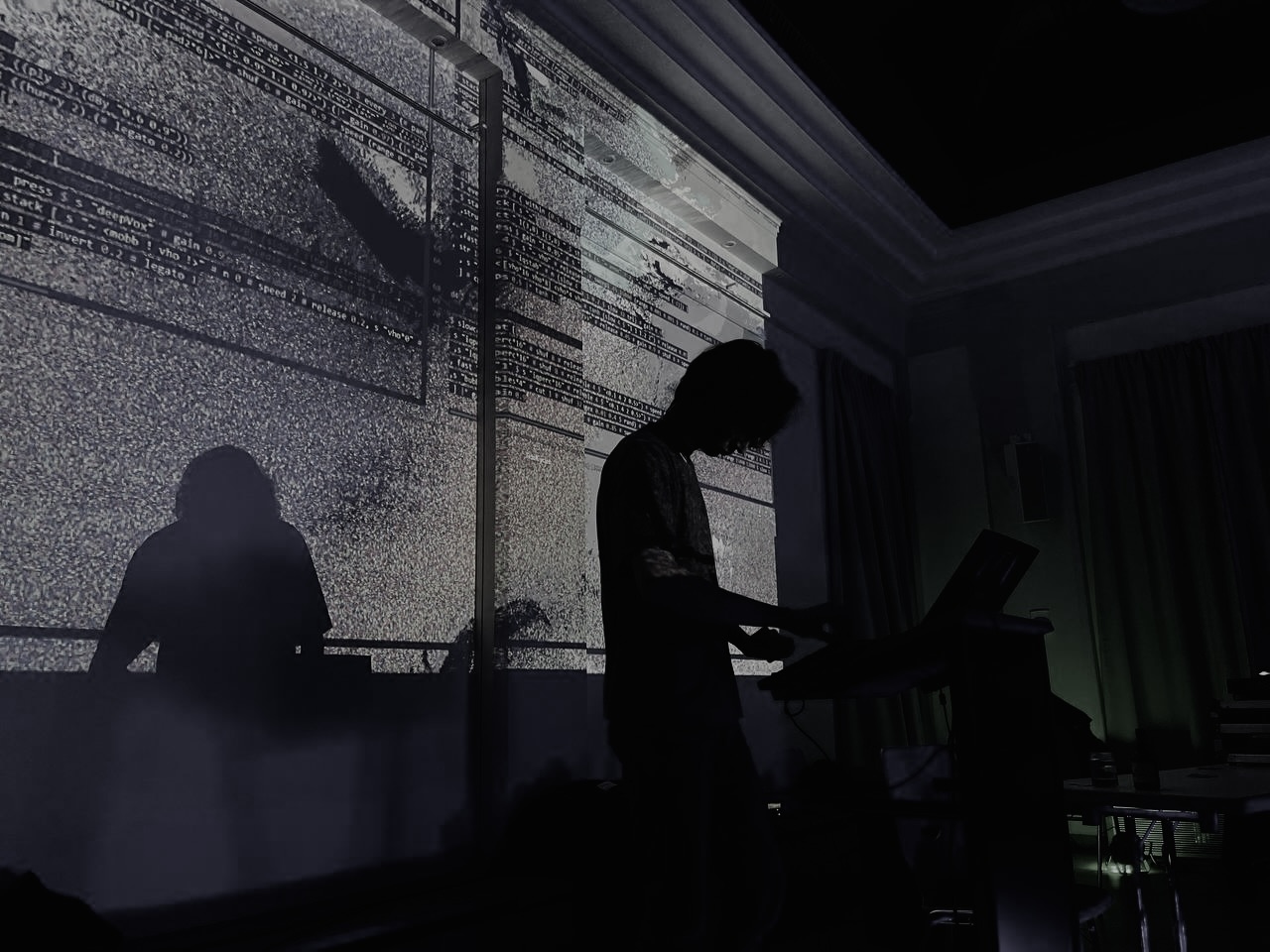
Francesco Corvi is an Italian performer, musician, lecturer, and multimedia artist. His artistic practice raises philosophical questions related to phenomenology, posthumanism, and cybernetics, exploring unconventional performance strategies through the development of live coding frameworks, adaptive systems, spatial audio engines, and multimedia environments. In his live performances, he employs open-source programming languages to create music and audiovisual shows at the intersection of computer music, new media art, and deconstructed club. Within the SANG mentoring he explored possibilities of expanding his practice with spatial audio technologies, and specifically with Ambisonics.
https://linktr.ee/nesso.xyz
Avita Maheen
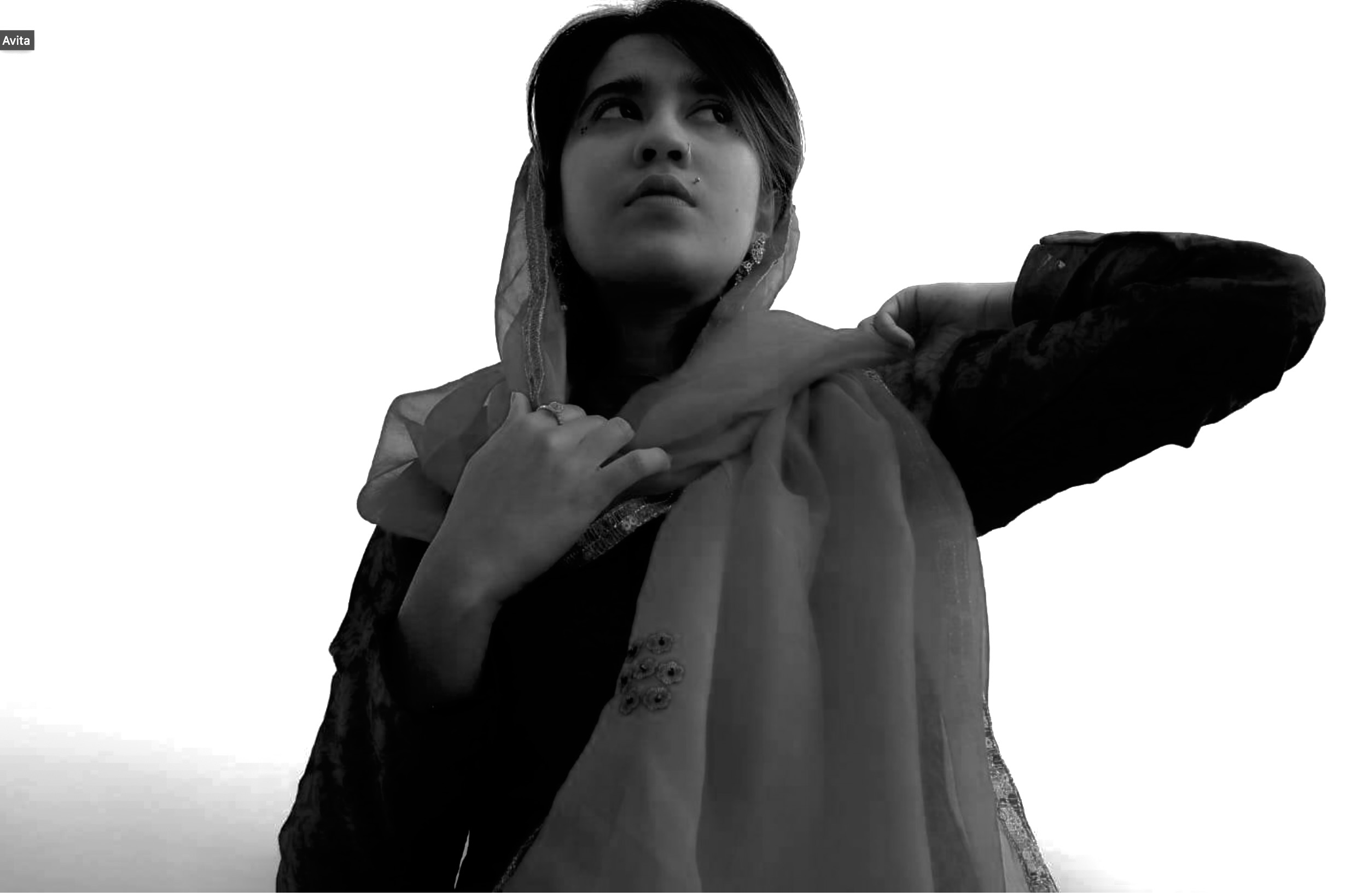
Avita Maheen is a Bangladeshi media artist, researcher, writer, and curator currently based in the Netherlands. She graduated from Media Technology (M.Sc.), Leiden University, with a minor in ArtScience Interfaculty at the Royal Academy of Art, NL. Her Master's thesis is a practice-based research on spatial perception and visual restriction in sensory installations, supervised by Edwin van der Heide (NL) and David Howes (CA). Her work explores sonic-sensory modalities, transmedia technologies, non-linear narratives, and autoethnographic research methods. While at @spaeslab, she explored methods of sculpting various sound classes into auditory sculptures, transcending visual references yet perceptible as three-dimensional sonic entities.
https://www.instagram.com/p/C6EGV_nNgpr
Aude Langlois
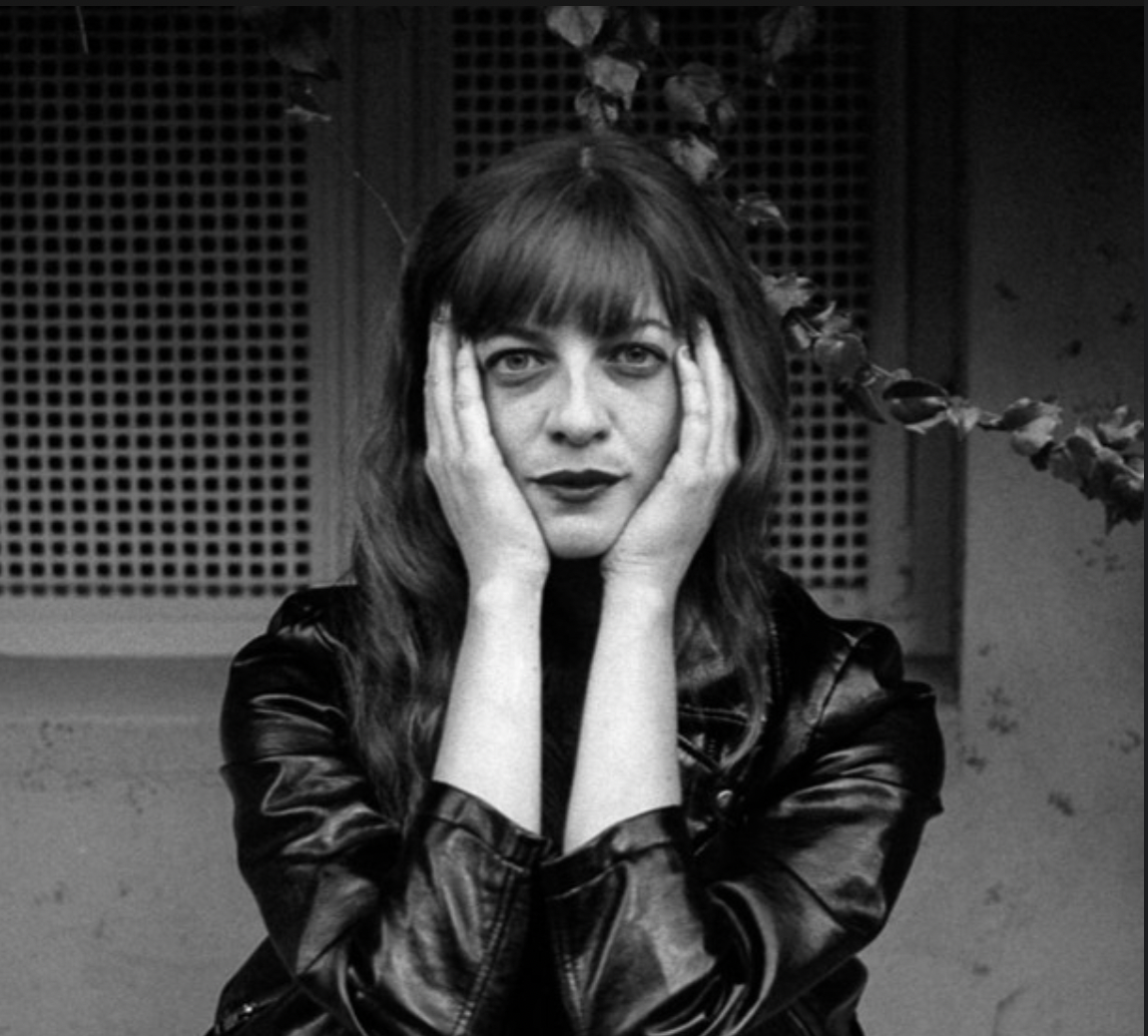
Aude Langlois is a sound artist, musician, and sound designer based in Berlin. She holds a Master's degree in Sound Studies from the Berlin University of the Arts and a Bachelor's degree in Music and Musicology from the University of Paris-Sorbonne. Her work can be found in films, documentaries, theater, and music productions. As a performer, she plays guitar, accordion, analog drum machine, and handmade noise machines with granular and delay effects to create experimental sound textures. As a tutor and academic advisor at UdK Berlin and Catalyst Berlin, she encourages listening as the most important means of learning and understanding. During her tenure at spæs, she delved into tools for spatializing her sound works and engaged in discussions on topics such as the dichotomy between lo-fi and hi-fi clichés, as well as our evolving perception of so-called new media, which is increasingly perceived as overpowering rather than sensorially stimulating.
https://audelanglois.com/
Amélie Nilles

Amélie Nilles is a composer and sound artist based in Paris. During her micro-residency, Amelie focused on investigating how to spatialize sound within a pre-existing piece. She worked on the intricate task of adjusting live sound to synchronize with the performance's stage design, aiming to craft a rich spatial experience for the audience.
www.instagram.com/amelie_nilles/
Yaaray

Yaaray is a composer, sound artist and vocalist based between The Hague and Paris who deals with poetic meaning in music. Using primarily acoustic sound material with digital audio manipulation, she explores the transferring of meanings between media to compose conceptual musical pieces that aspire to evoke emotion Her work focuses primarily on electro-acoustic composition, sound for film, sound installations, and exploration of spatiality – marked by her involvement with the Institute of Sonology and Spaes Lab in Berlin. She records instruments and environments, capturing a specific moment, and embracing its imperfections and inherent nuances that cannot be reproduced. By means of improvisation, notation for instruments and creative recording techniques, she often turns to the construction of slowly developing textures with distorted acoustic sounds, and takes a particular interest in poetry, voice and bass instruments.
https://yyaarayy.com/
Liza Kuzyakova

Liza Kuzyakova (Sáof) is a composer and sound artist born in Moscow and based in The Hague. Her practice unfolds at the intersection of electroacoustic composition, spatial sound, and experimental live performance, exploring the perceptual tensions within listening—the relationshipy between the materiality of objects, acoustic space, and the imaginative dimensions of sound. Her works and collaborative projects span a variety of contexts, including acousmatic concerts, contemporary choreography and theatre, films, performances, and exhibitions, and have been presented in venues across Europe, in Israel, and Russia. https://www.instagram.com/l.saof/
Daniel Lythgoe

Daniel L. Lythgoe is an artist, architect, and musician working across media to reflect on the dynamics of anthropogenic environments. Through a conceptual and research-driven approach, his practice encompasses immersive performances, interactive sound sculptures, and site-specific installations that investigate the relationship between sound, space, and perception. During his internship Daniel explored spatial audio and system-based approaches to sound, focusing on acousmatic composition, light–sound transduction, discrete-time feedback systems, and algorithmic interpretations of graphic scores.
https://lythgoe.studio/
Hilde Wollenstein

Hilde Wollenstein is a Berlin-based artist working across poetry, performance, and electronic music. She studied Sonology at the Royal Conservatory of The Hague, completing her bachelor’s degree in 2022 and her master’s programme in 2025. Her practice explores glitch, desire, and digital ghosts, often taking the form of spoken-word performances that merge fragile electronics with poetic narration.
https://www.hilde-wollenstein.com/
Edoardo Cordero

Edoardo Cordero is an artist and researcher working with sound and space. His practice moves between spatial audio and technological systems exploring how sound can shape and reconfigure our relationship to environments. With a background in electronics and digital audio production, he approaches sound both as a material and as a structure, developing works that engage with ambisonics, audiovisual interaction, and spatial composition. His work unfolds across performance, sound design, and research, often focusing on the dialogue between sound, image, and architectural space. At spæs Lab, he contributes to ongoing investigations into spatial sound practices and their aesthetic and experiential implications.
Mastodon